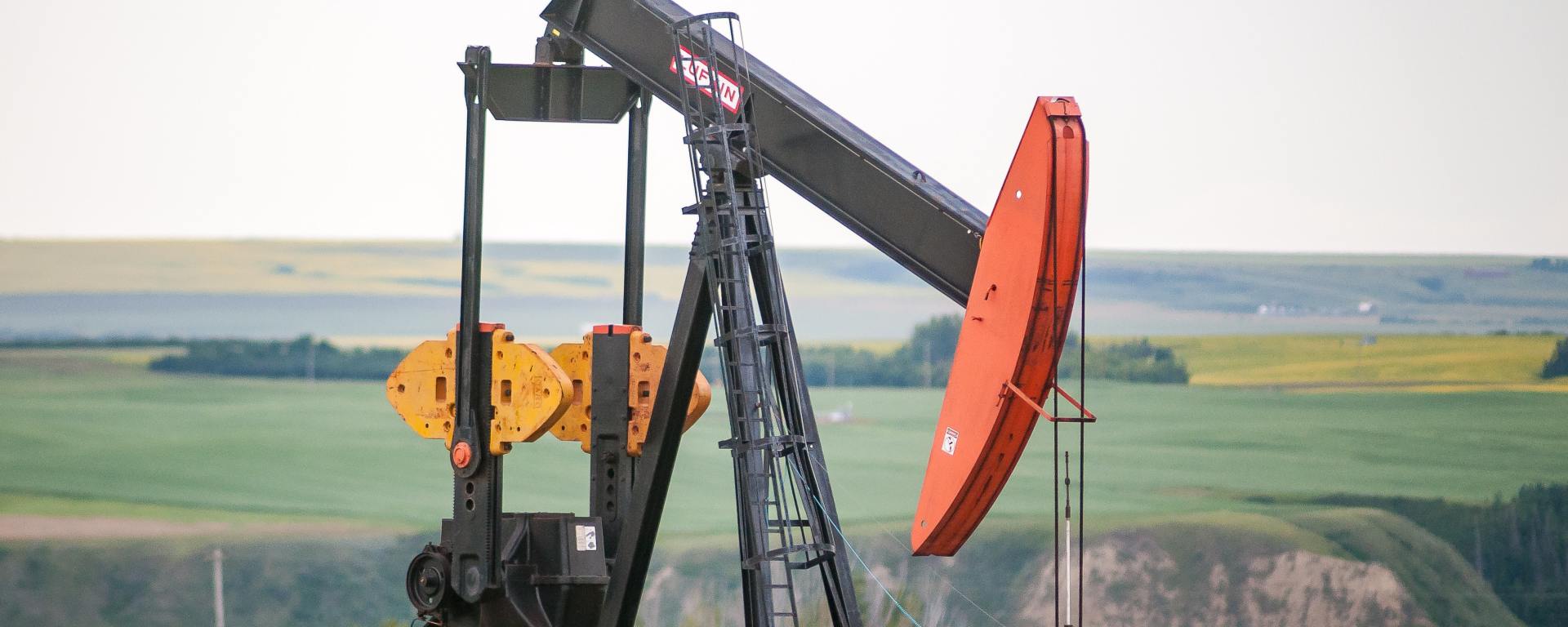
Commodities trading refers to the buying and selling of raw materials that are either grown (agricultural commodities) or mined (metallic and non-metallic minerals). These materials are traded on specialized markets called commodities exchanges. Some examples of commodities include metals such as gold and copper, energy products such as oil and natural gas, and agricultural products such as wheat, corn, and soybeans.
History
The first commodities futures were created in the mid-19th century as a way for farmers and merchants to hedge against price fluctuations for their goods. The Chicago Board of Trade (CBOT) was established in 1848 and became the world’s oldest futures and options exchange. The CBOT created standardized contracts for commodities such as wheat and corn, allowing buyers and sellers to lock in prices for future delivery and reducing their exposure to price risk. Over time, other commodities and financial instruments were added to the futures markets. In 2007 CBOT has become a part of CME Group.
Trading
Commodity trading can be done for speculation, where the trader is betting on the future price movements of the commodity, or for hedging purposes, where the trader is looking to reduce the risk of price movements in an asset that they own or produce. Commodity traders can be producers, consumers, or speculators who buy and sell commodities in order to profit from price changes.
Derivatives are widely used in derivatives trading and typically include the following instruments:
- Futures contracts
- Options contracts
- Swaps
- Exchange-traded funds (ETFs)
- Over-the-counter (OTC) products.
Please note, none of the information on this blog represents the opinion of my employer and all information does not represent a financial advice.
 Learn Finance 101